
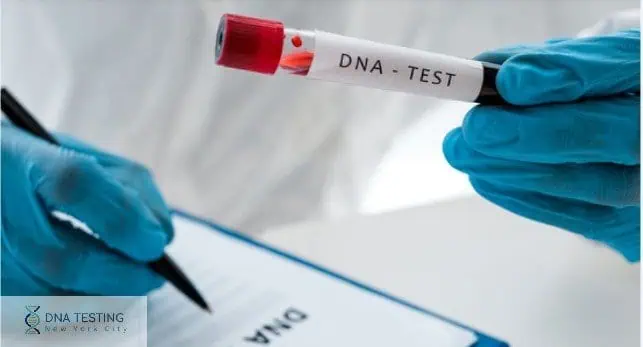
The term “DNA Testing” refers to the analysis of genetic sequences. This method was invented in the 1980s by an English geneticist. DNA analysis is used for a variety of purposes – it allows for intraspecific identification, for example – a person, an animal, and is also used to differentiate individuals within the same species. Human health is hereditary material passed on to him from his parents. The genetic code in all people is 99.9% identical, but a tiny 0.1% is responsible for numerous biological nuances associated with genetic mutations. Here in this article let’s know more about DNA testing in NYC…
What Is a DNA Test?
Human genes contain a huge amount of information. From a DNA test, you can find out, for example, what ethnic groups your ancestors belonged to, whether you have genetic diseases, whether you are prone to playing football, how you tolerate lactose, and whether aspirin works effectively in your case. The most famous practical application of the genetic test is the establishment of paternity. But this article is not about that.
DNA testing goes like this. The client submits his biomaterial to the laboratory: as a rule, saliva or cells from the inner surface of the cheek. DNA sections are isolated from the material and snips are decoded. The word “snip” is derived from the English abbreviation SNP – single-nucleotide polymorphism.
It means differences in nucleotide sequences. These differences arise due to point mutations during evolution. Then the snips are compared with others already in the database – and thus receive information about the ethnic origin of the client, predisposition to diseases, personal characteristics, and reactions to medications.
How Do DNA Tests Work?
The genome is the entire DNA sequence of an organism, it contains all the biological information for its proper functioning. The human genome (like the genomes of all other cellular life forms) is built from DNA (deoxyribonucleic acid) and consists of 3 billion base pairs.
The genomes of all people on the planet are very similar because it is not for nothing that we belong to the same biological species. Only 0.1% of our DNA distinguishes us from each other.
It is this proportion that determines our external and internal characteristics, for example, eye and skin color, height, the shape of the nose and eyes, predisposition to diseases, and much more.
How Is a DNA Test Performed?
The DNA analysis process begins with the isolation and purification of DNA from a biological sample. DNA can be identified in several types of samples and extracted using a number of methods. The method is chosen often depends on the sample matrix, the amount of DNA, and the purpose of the test.
Collection Of Genetic Material:
The most commonly used sample for genetic tests is a blood sample. Prenatal DNA tests involve the study and sampling of more complex biological material, which is carried out by a doctor. When conducting tests to determine the biological relationships, buccal epithelial cells are used, which are obtained by scraping from the buccal mucosa.
The procedure is quite simple, safe, and does not take much time. Samples of saliva, hair, nails, ejaculate, etc. can also serve as material for DNA analysis.
DNA Isolation:
Directly in the laboratory, the registrar enters into the database information about the sample and type of the ordered test. After that, the genetic material is sent to the laboratory department, where DNA preparation and further analysis will be carried out.
Then the process of DNA extraction begins, which is accompanied by treatment with reagents, temperature, and mechanical influences. During isolation, the DNA is cleared of impurities and is now ready for direct analysis.
Analysis:
The prepared DNA sample is placed in a genetic analyzer to identify unique regions of DNA markers. Only geneticists can “read” the results of such an analysis and draw conclusions in the future.
Issuing a Result:
DNA analysis data are presented in an easy-to-understand form – graphs, charts, and tables. The conclusion, issued with the seal of the laboratory and the signature of the geneticist, can be handed out or sent electronically.
What Are DNA Tests For?
DNA analysis is used to solve a large number of problems that are not only related to personal identification. Below are the most common types of genetic testing based on DNA analysis.
Paternity Test:
A paternity test is a test that helps determine a biological relationship between an alleged father and child. Most DNA paternity tests are performed by way of buccal swab samples. We currently offer this testing-specific service. Learn more about New York City Paternity Testing here
Sibling DNA Test
A sibling DNA test is a test that helps to determine if two people share a biological common parent/s to prove half or full siblingship. Learn more about Sibling Testing in NYC.
Grandparent DNA Test
A Grandparent DNA test is a test that is used when an alleged father is unavailable to be tested. The alleged father’s parent/s can be tested with the alleged grandchild and with the mother of the child. Learn more about Grandparent DNA Testing in New York City here.
Forensic Testing
DNA testing is done to identify a person for legal purposes. This type of testing can establish a biological relationship between people (for example, estate battles, paternity, motherhood, etc.), identify victims of crimes and disasters, exclude or suggest a suspect in a crime. Please contact our office at 646-383-6778 to inquire if we offer the type of Forensic testing service for your specific situation.
Newborn Screening:
In the maternity hospital on the 4th day, the first genetic testing in life is carried out. A DNA test is needed to detect genetic disorders that may appear early in life and that can be corrected with timely detection. The baby’s heel blood is checked for 5 common conditions: cystic fibrosis, adrenogenital syndrome, hypothyroidism, phenylketonuria, galactosemia. We do not offer this service.
Diagnostic Testing:
Studies of this kind make it possible to identify the disease with 100% accuracy. DNA testing is performed when a provisional diagnosis is made based on signs and symptoms. DNA analysis only confirms the genetic nature of the disease. We do not offer this service.
Predictive Genetic Tests or Predisposition Analysis:
Often, doctors recommend taking a DNA test to healthy people as a preventive measure. Such measures are necessary to search for changes in the genetic apparatus that increase the likelihood of a particular disease. The results speak only about the risk of developing a particular disease.
For example, cancer risks, a tendency to thrombosis or excessive accumulation of iron (hemochromatosis), etc. A positive result for a predisposition to the disease can serve as the basis for making a recommendation for the prevention of conditions in the future, which requires the patient to be more attentive to their health. We do not offer this service.
Testing For Family History Of The Disease:
Genetic testing for people who already have a family history of a hereditary disease or belong to certain ethnic groups. Predictive genetic tests are of particular importance in groups of people with a family history of the disease.
People who “carry” changes in the genes associated with the disease may not show signs of the disease, but are able to pass the gene change to their children.
DNA testing is recommended for all people in whom one or more close relatives have suffered from a condition for which there is a clear genetic link. We do not offer this service.
Preconception Preparation or Pregnancy Planning:
Preconception preparation can be done by all couples planning a pregnancy. Sometimes this type of DNA analysis helps to identify the carriage of mutations that can be passed on to future generations. Parents who are both carriers of mutant genes need to undergo medical genetic counseling for the health of future children and perform preimplantation testing. We do not offer this service.
Pre-implantation Testing:
This is a PGD method (preimplantation genetic diagnosis). Used to detect genetic changes in embryos that have been created using assisted reproductive technologies. We do not offer this service.